CRITICAL ALERT: Protect Yourself From Pet Recovery Scams
You're already going through hell. Don't let criminals make it worse.
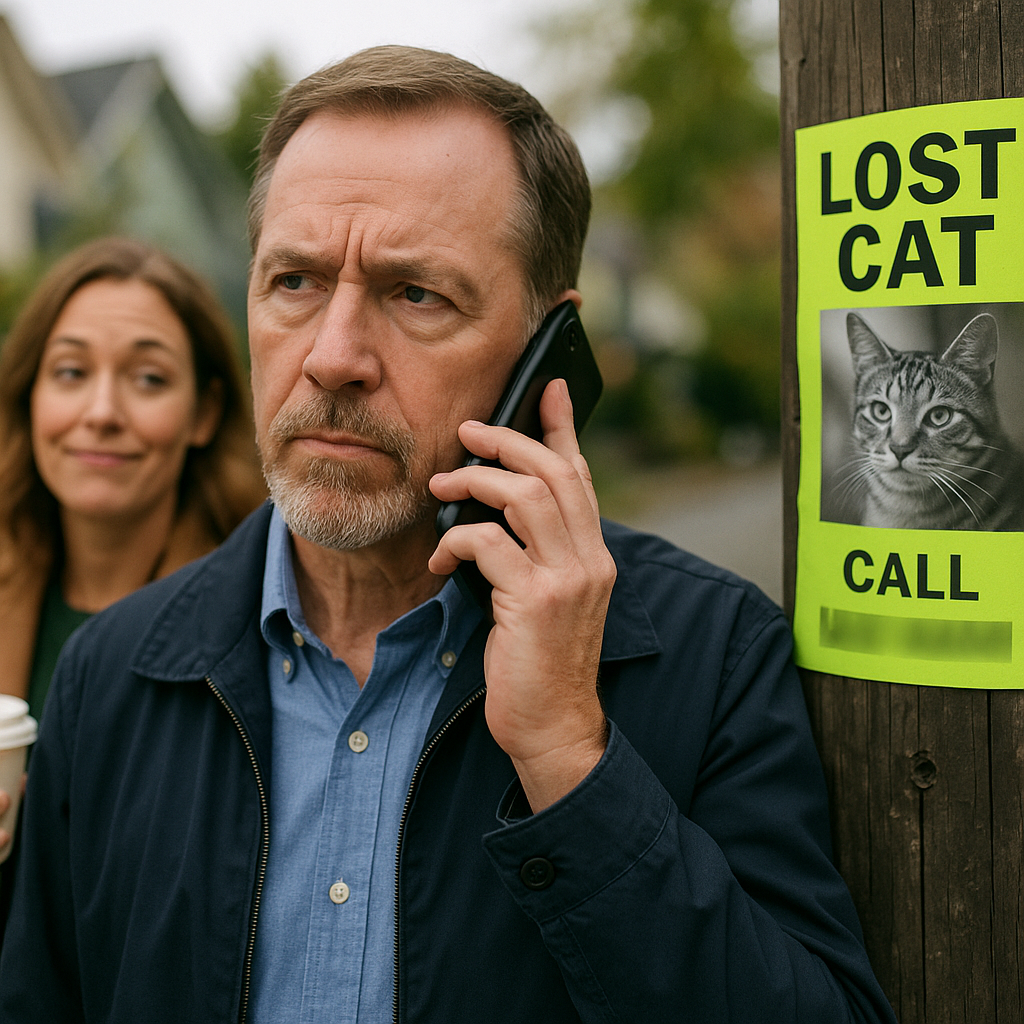
READ THIS FIRST – You Are Being Targeted
The moment you post about your lost cat, you become a target.
Scammers monitor lost‑pet posts, shelter pages, and neighborhood apps like Nextdoor around the clock. Some are bored grifters. Some are part of organized operations. All of them count on one thing:
- You're scared.
- You're exhausted.
- You'll do almost anything to get your cat back.
Your emotional state is their weapon. Your desperation is their opportunity.
The patterns are very predictable. If you understand them, you can protect your money, your identity, and your ability to keep searching for your cat.
THE GOLDEN RULES – Memorize These Now
- NEVER send money to someone who contacts YOU first about your lost pet.
- NEVER pay before seeing your cat in person or getting rock‑solid proof.
- NEVER use payment apps, gift cards, wire transfers, or cryptocurrency with strangers.
- ALWAYS demand real‑time proof (photo or video) showing your cat with something specific you choose.
- ALWAYS verify shelters, vets, and rescues by calling them back on numbers you look up yourself.
- ALWAYS SLOW IT DOWN – scammers depend on panic; they fall apart when you do not match their urgency.
- WHEN POSSIBLE, let a calm, non‑emotional friend handle the communication and gut‑check the story.
- TRUST YOUR GUT – if something feels off, treat it as suspicious until it's proved otherwise.
Tape these rules to your fridge or next to your computer. You won't be thinking clearly when the phone rings.
COMMON SCAMS – Know What's Coming
The "I Found Your Cat" Money Scam
How it works:
Someone texts or calls saying they've found your cat. The story sounds good enough to hook you. Then come the excuses:
- They can't meet yet.
- They need gas money.
- They want to be paid for "time," "pain," or "boarding" before they'll hand your cat over.
Red flags:
- They contacted you first after seeing your post.
- They refuse live proof (video, or a new photo under your conditions).
- They can't describe markings or quirks that you didn't already post.
- They push for payment through Cash App, Zelle, Venmo, gift cards, or crypto.
- Their story changes when you ask detailed questions.
- They're in a big rush: "I'm leaving town," "I have to act now."
Your counter‑move:
- Calmly say: "I'll need a new photo or quick video showing the cat next to [today's date on paper / a spoon / a receipt]."
- Do not send any money before proof.
- If they resist, stall, or get angry, stop responding. A real finder will understand your caution.
The Fake Shelter / Vet / Animal Control Scam
How it works:
They pose as:
- A shelter
- A vet clinic
- Animal control
- A rescue group
They claim your cat is:
- Injured and needs emergency surgery
- Impounded and facing euthanasia
- Being boarded and will be "adopted out" if you don't pay
Payment is demanded immediately, often with a threat hanging over it.
Red flags:
- They create extreme urgency and pressure: "Pay now or we put your cat down."
- They refuse to let you come in person.
- They can't give you a verifiable street address and main phone number.
- The contact number doesn't match the number on the clinic's/shelter's official website.
- They insist on instant payment over text.
Your counter‑move:
- Hang up or end the text thread.
- Look up the shelter or clinic yourself via Google Maps or your county's official website.
- Call the main number listed there and ask them to confirm whether your cat is actually in their system.
- Legitimate shelters and clinics do not threaten or negotiate emergency bills via text with strangers.
The Shipping / Transport Angle
How it works:
You hear something like:
- "I found your cat while traveling out of state."
- "I picked up your cat while I was passing through."
They say they'll ship your cat back, but:
- You must pay for transport
- Then "insurance"
- Then "crate deposit"
- Then some new surprise fee
Red flags:
- The cat is supposedly very far away in a way that doesn't quite add up.
- The story explains every question with more drama but little detail.
- The "transport company" they want you to pay doesn't exist outside their messages.
- Fees keep rising every time you hesitate.
Your counter‑move:
Understand that real long‑distance reunions do happen, but you should be the one who:
- Selects a licensed, verifiable transport company, and
- Pays that company directly, not a stranger.
- If they insist on their transport service and direct payment to them, walk away.
The Microchip / Tag "Proof" Scam
How it works:
To sound legitimate, they claim:
- "We scanned the microchip."
- "We read the tag with your number."
- They may repeat details they pulled from your social media post or old posts about your cat.
Red flags:
- They know only what you or public sites have already shared.
- They can't answer questions about unique details you never posted (exact collar style, small scar, specific behavior).
- They won't tell you which vet, shelter, or microchip registry supposedly scanned the chip.
Your counter‑move:
- Ask about 2–3 details you've never mentioned publicly.
- Call your microchip company or vet directly and ask if they have any recent scan or found‑pet reports.
Reward Intercept: "Pay Me Before You See Your Cat"
How it works:
You've posted that you're offering a reward. They jump in and say:
- "I have your cat. I need the reward wired first."
- "Pay my gas money up front or I won't drive over."
- Once money moves, they vanish or keep adding new excuses.
Red flags:
- They want reward money before you've seen your cat.
- They suggest shifting meeting locations repeatedly.
- They get angry or guilt‑trip you when you set boundaries.
Your counter‑move:
- Rewards are cash in person after safe reunion, in a public location.
- If you feel safer, meet in a police‑station parking lot or a well‑lit busy store lot.
- Bring another adult. Scammers don't like witnesses.
Fake Sighting / Ransom Hybrid
How it works:
This is the darker end of the spectrum. Sometimes scammers follow your case for days:
- They learn your routines and your cat's habits from your posts.
- In some cases, they may actually have your cat or a very similar one.
Then they cross a line:
- "Pay us or we keep/rehome your cat."
- "If you don't send money, you'll never see them again."
At this point, it stops being "just fraud" and starts looking like ransom or extortion.
Your counter‑move:
- Do not respond emotionally.
- Preserve every message and number.
- If the person appears to genuinely have your cat and refuses to return them without payment, contact law enforcement. Pets are legally property; this behavior is a crime in Oregon.
ADVANCED PROTECTION TACTICS
Before You Post Anything
- Hold back details. Don't post every unique marking or quirk. Keep 1–2 details private so you can verify real sightings.
- Use a separate number. A Google Voice or other dedicated number is safer than your main cell.
- Limit personal info. Use cross‑streets, not your full address. Don't post your last name.
- Adjust privacy. Consider locking down social media while your search is active; scammers mine old posts for leverage.
- Prepare photos. Keep clear, recent photos from multiple angles ready for flyers and shelter visits.
When Someone Contacts You
- Slow it down on purpose. Ask a few questions. Take a breath. Don't feel forced to answer immediately. Scammers need you rushing; time is pressure on them, not you.
- Let someone calm run point if possible. Ask a trusted friend, neighbor, or family member who's less emotionally involved to read texts, listen to voicemails, or take over the conversation. They'll spot red flags you might miss.
- Ask for specific, fresh proof. "Please take a photo or short video right now showing the cat next to [today's date on paper / a mug / your shoe]."
- Do not give information first. Ask them to describe your cat before you confirm. Let them work for it.
- Check the person. Real local people tend to have normal‑looking profiles, local connections, and some history online. Scammers often use brand‑new or empty accounts.
DOCUMENTATION IS YOUR SHIELD
If you suspect a scam:
- Screenshot everything. Texts, DMs, caller ID screens, payment requests.
- Save copies of any links (don't click if you're unsure; just write them down or screenshot).
- Keep receipts and transaction IDs if any money moved.
This can help your bank, law enforcement, and other pet owners.
IF YOU'VE BEEN SCAMMED
First: Stop the bleeding
- Do not send more money. Scammers nearly always come back for "one more fee."
- Contact your bank or payment app immediately. Ask about chargebacks, reversals, or fraud claims.
- If gift cards were used, contact the retailer ASAP with card numbers and receipts.
Then: Report it
Local law enforcement (non‑emergency line)
Especially if threats, ransom demands, or clear extortion are involved.
FBI Internet Crime Complaint Center (IC3)
www.ic3.govFederal Trade Commission (FTC)
reportfraud.ftc.govOregon Department of Justice Consumer Protection
1‑877‑877‑9392 (or use their online complaint form)
Warn others (if you feel comfortable)
- Post about the scam pattern in local groups and lost‑pet forums (you don't have to say you sent money if that feels too vulnerable).
- Share the phone numbers, usernames, and payment handles used.
- Report the scammer's accounts to the platforms involved.
Reality check: Many scam payments are hard to recover. Reporting is still valuable; it builds patterns that help authorities and protects your neighbors.
THE PSYCHOLOGY WEAPON – How They Play Your Emotions
Scammers lean on the same levers over and over:
Fear
"Your cat will die if you don't act now."
Hope
"I have your baby safe, just help me out a little."
Guilt
"I've spent so much time and money taking care of your cat."
Isolation
"Don't tell anyone or the deal is off."
If you feel any of these spike suddenly, that's a signal:
Pause. Do nothing for at least 15–30 minutes.
Put the phone down. Take a walk. Call a friend. Real reunions will still be there after you double‑check. Scammers can't tolerate delay.
LEGITIMATE COSTS VS. SCAMS
You might legitimately pay for:
- ✓Veterinary care if your cat was injured, paid directly to the vet after you've confirmed the cat is yours.
- ✓Shelter boarding or impound fees , paid directly to the shelter when you pick up your cat.
- ✓A reward you offered , paid in person, in cash, after you see and confirm your cat.
You should never have to pay:
- ✗"Transport fees" to an unverified stranger.
- ✗"Rehoming fees" for your own cat.
- ✗Any amount via wire transfer, gift cards, or crypto to someone who just messaged you out of the blue.
- ✗Any money before you've had physical confirmation or solid proof that it's truly your cat.
FINAL REALITY CHECK – And Why You Shouldn't Give Up
Here's the part that matters most:
Scammers are trying to turn your love for your cat into leverage. This goes beyond simple fraud, it often crosses into ransom and blackmail territory. They spoof numbers, push urgency, and lean on guilt. That behavior says more about them than it does about you.
Your job is to:
- Stay alert,
- Slow everything down,
- Refuse to let predators exploit your love for your animal.
Keep searching. Don't slack off on the real‑world work: flyers, shelter visits, walking the neighborhood, checking garages and sheds, talking to neighbors, setting humane traps if appropriate.
Most lost cats are found close to home, often by their own people, by genuine neighbors, or sometimes by heroic rescue volunteers, all of whom want nothing in return.
Never give up hope until you are reunited.
Use your energy on the search, not on scammers. Your cat needs you focused, resourced, and still standing.
If You're Unsure
Run it by your local animal control, established shelters or rescues, or law enforcement before you send a cent or share personal information.
You're not alone in this. Your community's animal‑welfare and public‑safety teams are on your side, for free.